Guide
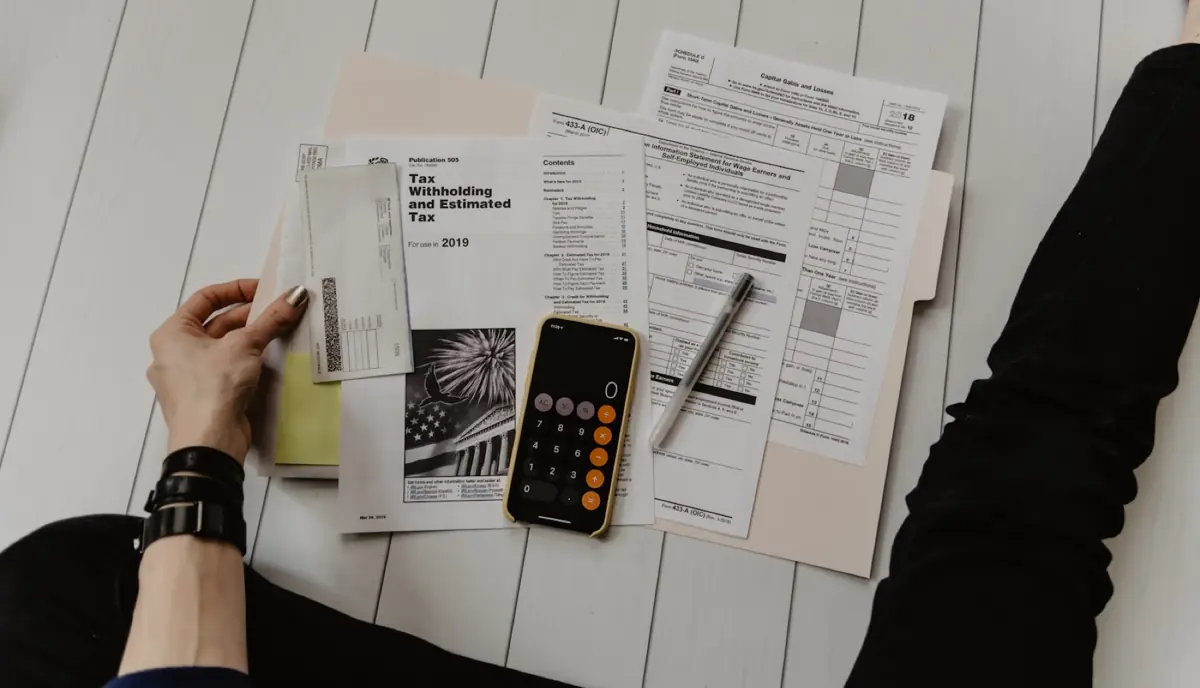
The paperwork file
Gather it once, put it where you can both reach it, and you'll answer half the questions in this sale before anyone asks them.
The guide
Step by step.
The short answer
Before listing, gather the deed, recent statements for every loan against the house, the property tax statement, HOA documents if you have an HOA, permits and records of work done, a year of utility costs, well and septic records if the house has them, and your divorce case number and any orders. Keep it all in one folder you can both open.
- 01
Start one file
Make one folder, online, that both of you can open, and name it after the house's address rather than after either of you. Not two folders. When you each keep your own set of papers, you end up with two versions of the truth, and the version that's missing a page is the one that causes trouble later.
I'll set it up if you like, and I'll add what I produce as we go: the CMA, the listing agreement, offers and the closing figures. You add what only owners have, starting with the papers below, and scan anything that exists only on paper so the original can stay safely where it is.
- 02
Papers about the house
These are the documents a buyer, a lender or a title company will eventually ask about, and every one of them is easier to find on a quiet weekend now than during the week a buyer's lender is waiting on it. Start with the deed.
Here's the list:
- The deed. If you can't find it, the county recording office has it. In Lane County that's Deeds and Records at 125 East 8th Avenue in Eugene, 541-682-3654.
- A recent statement for every loan against the house: the first mortgage, any second mortgage, any home equity line.
- The latest property tax statement. In Lane County you can look up the account at Assessment and Taxation, 541-682-4321.
- HOA documents, if there's an HOA: the dues, the contact, and any rules on signs or showings.
- Permits, receipts and warranties for work done on the house, like a roof, a furnace or an addition.
- 03
What the house costs to run
Buyers ask what the power bill runs in January. These numbers also feed the carrying-cost budget the two of you will need while the house is on the market. Pull a year of utility statements for electricity, gas, water, sewer, garbage and anything else you pay, or note the average from each provider's website.
If the house is on a well or a septic system, find whatever records you have: pump tests, water tests, the septic permit, the last time it was pumped. Bring what you have. Don't worry yet about what you don't, because a gap found now is something we can plan around before a buyer ever asks.
Rural property has its own list.
Acreage and rural homes - 04
Papers about the case
I need to know where the divorce stands so I work inside it and not around it. Nothing here is private gossip. It's the information that tells me whether I can list the house on the two of your signatures today or whether I'm still waiting on written consent or a court order. Add these to the folder, or have your attorneys send them:
- The case number and the county where the case is filed.
- Whether the summons and petition have been served, and on what date.
- Any temporary orders, including orders about who lives in the house or who pays the liens while the case is pending (ORS 107.095).
- Any signed agreement or stipulated order about the sale.
- The names and contact details of both attorneys and any mediator.
Once papers are served, ORS 107.093 restrains both of you from transferring or encumbering property the other has an interest in without written consent or a court order. That's why I ask.
What the status quo order is - 05
The pamphlet you'll get first
The first paper I'll hand each of you is one Oregon requires: the initial agency disclosure pamphlet, given at first contact under ORS 696.820 and OAR 863-015-0215. It explains how agency works. Read it.
When I represent you as sellers, ORS 696.805 says I owe you care, loyalty, accounting and timely disclosure of conflicts, and that I'll advise you to get expert advice when a question is outside my field. That last duty is why you'll hear me say "ask your attorney" and "ask your CPA" so often. Keep the pamphlet in the folder with everything else.
What the pamphlet says, in plain English.
The initial agency disclosure pamphlet - 06
What I add as we go
The folder grows during the sale, and most of the new pages come from me. You don't have to ask. Each one goes in on the day it exists, and both of you get the same email saying it's there, what it is and whether anything in it needs an answer from you.
- The comparative market analysis, with every comp and adjustment.
- The signed listing agreement and any changes to it.
- The showing log and the written feedback from buyers' agents.
- Every offer, counteroffer and signed sale agreement.
- Inspection reports, repair requests and the answers to them.
- Estimated closing figures, and later the final closing statement.
By closing day, the folder is the complete record of the sale, and it belongs to both of you.
- 07
How the deed is titled
Look at how the deed names you. In Oregon, a deed to spouses creates a tenancy by the entirety unless it says otherwise (ORS 93.180). What that means for your case is a question for your attorney, not me. What it means for the sale is simple.
Everyone on title signs the deed at closing, so if a parent, a sibling or a former partner is also on title, I need to know early. A name on the deed you'd forgotten about is far easier to handle in week one than on closing day.
Outside Lane County, copies of a recorded deed come from the county where the house sits: the Linn County Clerk's recording office in Albany, 541-967-3829; Benton County Records and Elections in Corvallis, 541-766-6756; or the Douglas County Clerk's recording office in Roseburg, 541-440-4320. Call ahead.

Sources · checked 23 Oct 2026
- Oregon Initial Agency Disclosure Pamphlet (ORS 696.820, OAR 863-015-0215)
- ORS 696.805, duties of a seller’s agent
- ORS 107.093, restraints once a dissolution is served
- ORS 107.095, temporary orders while the case is pending
- ORS 93.180, tenancy by the entirety
- Lane County Deeds and Records
- Lane County Assessment and Taxation property search
- Linn County Clerk, recording
- Benton County Records and Elections, real property records
- Douglas County Clerk, recording
Ask Larissa
Questions people ask
We can't find the deed. Is that a problem?
No. The deed is a public record kept by the county where the house sits. In Lane County, Deeds and Records at 125 East 8th Avenue in Eugene can give you a copy, and the other counties I serve have their own recording offices. The title company will pull it during the sale in any case.
Does my spouse get to see everything in the file?
Everything about the house and the sale, yes. Both of you get the same documents, and neither of you gets a private version. Papers about the divorce itself that aren't about the house, like a personal financial statement, don't belong in the shared folder. Your attorney is the right place for those.
What if we don't have records for the well or septic?
Bring what you have and tell me what's missing. Gaps happen, especially on older rural houses, and they're far better found before a buyer's inspection than during it. I'll talk with both of you about the options once I've seen the property and the records you do have.
Confidential consult
One conversation, no pressure.
Tell me where things stand. I’ll tell you what the sale could look like for your situation, and what to ask your attorney first.